
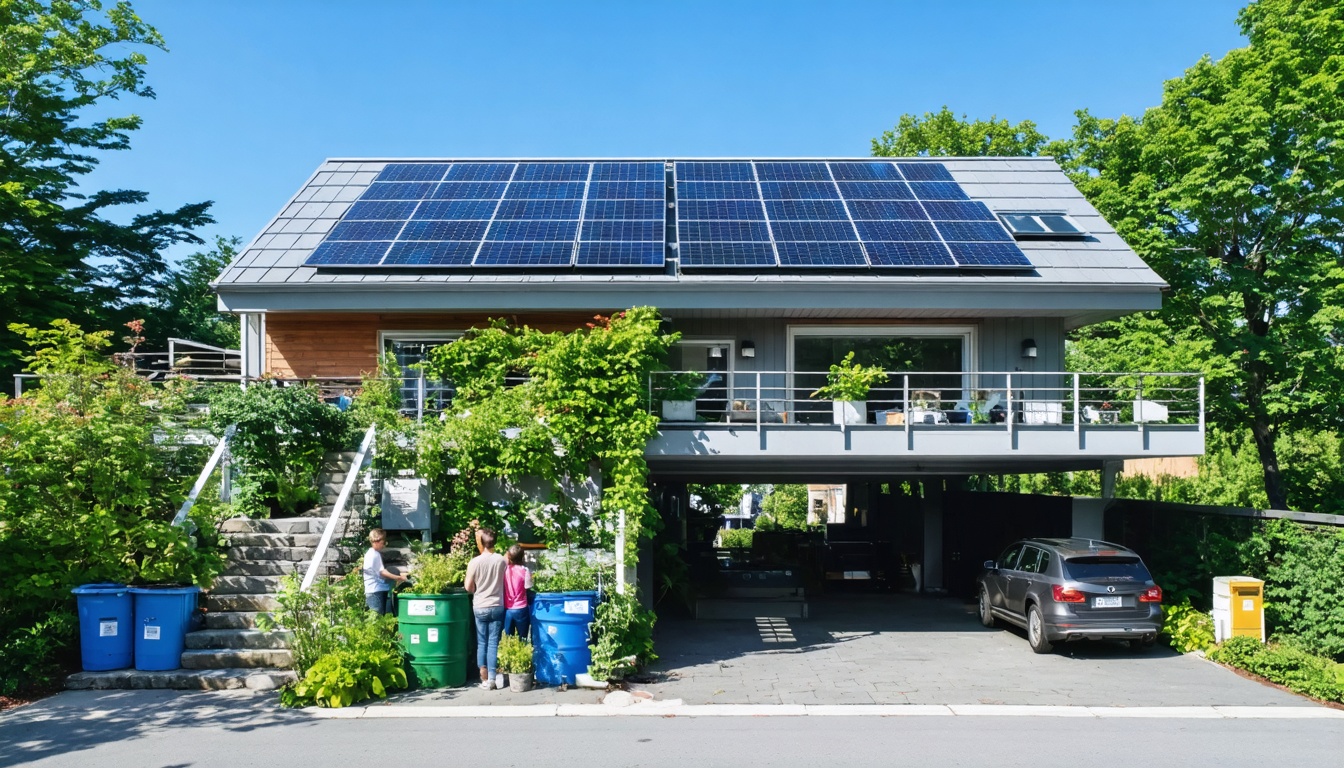
What a More Resilient Home Energy Plan Looks Like in Staten Island, New York
Homeowners on Staten Island face ongoing challenges related to their home energy systems, particularly during storm events. These challenges stem from aging infrastructure and the potential for rising energy costs, both of which can significantly impact reliability. Addressing these issues can improve energy resilience and reduce overall expenses. Developing a robust home energy plan involves assessing various energy solutions. The integration of solar energy systems can decrease dependency on the grid and lower electricity bills. Additionally, battery storage can provide backup power during outages, enhancing energy security. Community support initiatives, such as local energy cooperatives or shared resources, can also strengthen resilience by pooling resources and encouraging collective action among residents. Ultimately, a comprehensive approach that includes renewable energy options, energy efficiency measures, and community engagement can help homeowners navigate the complexities of energy management while enhancing the reliability of their systems.
The Case for Advanced Distributed Energy Solutions
Staten Island is facing increasing energy demands and varying weather conditions, which highlights the need for advanced distributed energy solutions. The implementation of these systems can provide several advantages, including improved energy efficiency through the use of battery storage technologies, alternative financing options, and incentives related to the City of Yes for Carbon Neutrality initiative.
Local initiatives focus on utilizing real estate assets to enhance energy reliability and resilience while adhering to New York City regulations and Department of Buildings standards. Additionally, distributed energy solutions may result in reduced utility costs for residents and businesses.
National programs also offer further benefits that can facilitate the integration of distributed energy technologies.
For more detailed information, including an analysis of available programs, their implications for the community, compliance with fire codes, and public safety considerations, stakeholders may refer to relevant sections of City Hall's website and its Privacy Policy. For additional inquiries, please use the designated contact options provided.
Addressing Staten Island’s Energy Challenges
Staten Island is encountering notable challenges regarding its energy infrastructure. The demand for electricity is increasing, but the existing electrical grid is outdated and insufficient to meet current needs. This has led to higher utility costs for residents and heightened concerns about public safety, especially during periods of high temperatures when the reliability of energy services is crucial.
The City of Yes for Carbon Neutrality initiative aims to tackle these challenges by encouraging energy efficiency enhancements in residential properties. This initiative is bolstered by updated legislative measures, national programs, and local incentives intended to support energy upgrades.
Furthermore, analyses conducted by the community and reports from the City Department indicate a pressing need for improved energy storage solutions and battery systems. These technological advancements could significantly enhance the reliability and resilience of Staten Island's energy supply.
Residents are encouraged to stay informed about these developments through official communications from City Hall. They should consider the potential implications for real estate and consult with the Department of Buildings for relevant updates.
Implementing Battery Storage and Solar Technology
Staten Island’s energy infrastructure faces several challenges, including rising demand and the impacts of climate change. In response, advancements in battery storage and solar technology, including solutions from Solar Panel Contractors in Staten Island, are being explored to improve the borough's energy resilience.
Utility customers and homeowners have access to various programs and incentives at both local and national levels, including benefits under New York City Tax Section Law, aimed at encouraging the adoption of efficient battery systems.
The addition of battery storage facilities, such as those established by NineDot Energy, can enhance public safety by providing backup power during emergencies. This infrastructure may also contribute to cost reductions for consumers and improved reliability, particularly during peak demand periods, which tend to occur in the warmer months.
It is important that these technologies comply with fire codes and regulations as enforced by the Department of Buildings to ensure their safe integration into the existing energy supply network.
These developments align with broader initiatives targeting carbon neutrality in New York City, indicating a structured approach to energy reform.
Community Perspectives and Regulatory Compliance
Resident responses to the introduction of new energy projects, such as battery storage facilities, can exhibit a broad spectrum of opinions within communities. In Manor Heights specifically, the community is divided on the issue. A segment of residents supports the establishment of battery storage as a vital step toward transitioning to sustainable energy solutions. Conversely, others raise concerns related to public safety and potential decreases in property values.
Recent assessments of community sentiment reveal that Community Board 2 has officially opposed the installation of battery storage systems close to residential neighborhoods. This stance is based on worries regarding safety risks and the likelihood of negative impacts on local real estate values.
On the other hand, NineDot Energy emphasizes that its projects comply with the regulations outlined by the New York City Department of Buildings, in addition to relevant fire codes and municipal guidelines. The company contends that its initiatives align with the City of Yes for Carbon Neutrality initiative, designed to support sustainable urban development.
Moreover, ongoing programs aim to optimize electricity generation and improve system reliability, particularly in light of increased utility costs during peak summer demand. This comprehensive strategy reflects broader objectives of enhancing energy efficiency while addressing the concerns expressed by the community.
Financial Incentives and Support for Homeowners
Homeowners in Staten Island have access to various financial incentives aimed at promoting the adoption of more resilient energy solutions. Key programs include utility rebate services and Commercial Property Assessed Clean Energy (C-PACE) financing, which can help alleviate the costs associated with the installation of energy storage systems, battery upgrades, and other related improvements.
The Section 45L Tax Credit and the Section 179D Tax Deduction further contribute to financial assistance for homeowners, facilitating compliance with updated fire codes and real estate regulations. These incentives aim to strengthen the resilience of residential properties.
Participation in these programs may lead to reduced utility expenses for homeowners while aligning with New York City's objectives for carbon neutrality.
This alignment could enhance public safety and improve reliability for utility consumers, indicating a commitment to energy efficiency and sustainability.
Looking Ahead: Opportunities and Future Developments
In the upcoming years, Staten Island's energy landscape is expected to experience significant changes driven by local initiatives and collaborative efforts aimed at altering energy consumption and conservation practices among residents.
Noteworthy developments include the deployment of battery storage systems, the promotion of energy-efficient programs, and the expansion of financial incentives, such as tax credits and relevant policies.
The ongoing evaluations conducted by the City Council and the Department of Buildings are in line with the Carbon Neutrality initiative, which seeks to increase the use of locally generated electricity.
These enhancements are anticipated to improve the reliability and resilience of the energy supply, boost public safety, and possibly lower utility costs, especially during periods of elevated demand in the summer months.
For those seeking current information on available services, financing options, modifications to fire codes, and the connection between real estate trends and energy consumption, it is advisable to reach out for additional details.
Conclusion
Adopting a resilient home energy plan can help households in Staten Island minimize disruptions while contributing to the broader goal of transitioning to cleaner and more reliable power sources. Implementing measures such as solar panels and battery systems can reduce energy costs and enhance energy independence, especially during adverse weather events. Utilizing incentives offered by local and state programs can further facilitate the adoption of these technologies, making them more accessible to residents. Additionally, participation in community energy initiatives fosters collaboration among neighbors, which can enhance resilience at the community level. Overall, informed decision-making regarding energy resources not only benefits individual households but also supports the development of a sustainable energy infrastructure in Staten Island.

Navigate This Page
-------------------------------------------------------------------------------------
➜ Top 5 Ice Makers List
-------------------------------------------------------------------------------------
➜ Best Ice Maker Overall
-------------------------------------------------------------------------------------
➜ Cheap Portable Ice Maker
-------------------------------------------------------------------------------------
➜ Super Lightweight Ice Machine
-------------------------------------------------------------------------------------
➜ Buyer's Guide
